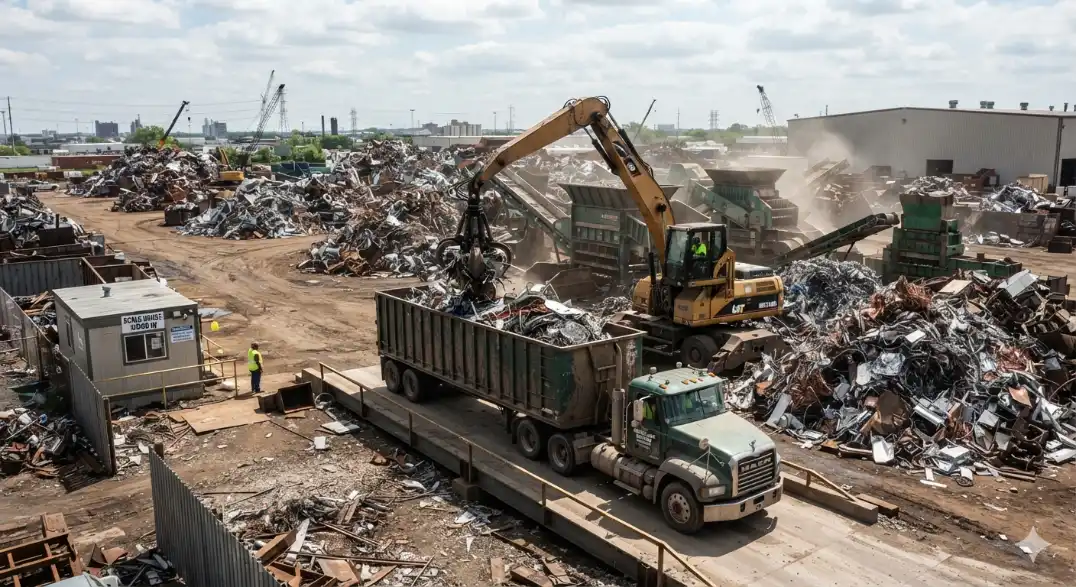
When a truck arrives at a local recycling facility with a pile of metal it starts an extremely closely orchestrated industrial chain. Materials are not collected and put aside for long periods. They follow a carefully designed supply chain which aims to get the metal back into the local economy as early as possible.
Our Process At Brisbane Metal Recyclers
- Sourcing and grading — heavy equipment is used to separate piles into ferrous and non-ferrous (aluminium, copper and stainless alloys).
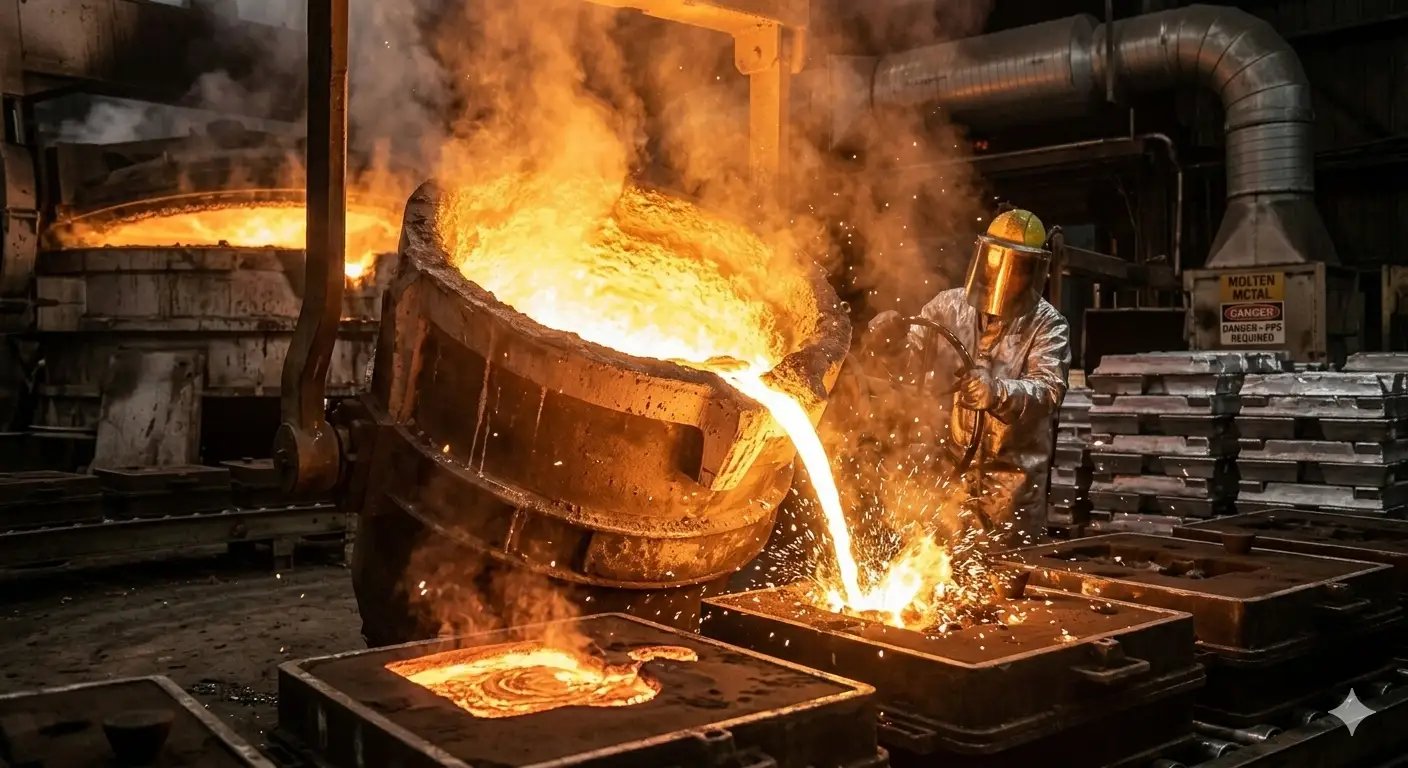
- Shearing and shredding — shearing and shredding machines process large structural beams into uniform, manageable pieces before the local scrap is taken to a clean, eco-friendly electric arc furnace to melt at high temperatures.
- Refining and casting — molten metal is refined, tested for structural integrity and cast into new steel billets or reinforcement coils.
- Site delivery — the billets are made into brand new building components by local manufacturers and then delivered to commercial sites.
This efficient process means that a piece of metal that is rejected in a Brisbane suburb can be converted to an important structural support block in a few weeks on a major project site.
Structural Steel Recycling Is Essential For SEQ Projects
Out of all the materials that flow through our region, nothing is as important as structural steel recycling. Massive projects such as the Victoria Park Precinct or rail corridors use up large amounts of heavy metals, and there are three major economic needs being served by local structural steel recycling.
International dependence of local supply chains — when relying solely on international shipping for building materials, local builders are exposed to fluctuations in transport times and to price increases. Locally recycling the metal generates a full-fledged regional supply of good quality steel. This domestic loop helps large construction companies maintain their project schedule in the face of economic uncertainty in global trade. The production of brand new steel from raw iron ore is an energy-consuming operation that emits a huge amount of carbon emissions. The energy requirement for the re-melting of scrap structural steel is up to 75% less than that of virgin metal. Using recycled steel helps local developers meet strict green building codes and helps Queensland hit its long-term environmental sustainability targets.
Massive volume demands — the volume of work throughout South East Queensland is enormous, so metal manufacturing facilities are perpetually looking for metal raw material. Structural steel is a specialty metal that can be melted and reused without ever losing its strength, structure or integrity. Today, an old steel beam that was ripped from a wrecked warehouse is cast into a new concrete slab tomorrow.
The Materials Used: Building The Future City
Your recycled metal holdings are all around, out of your sight. Local scrap provides essential materials to several key construction industries.
- Commercial high-rises — recycled steel is used for the internal steel structure and concrete reinforcement bars for new office towers and residential buildings.
- Public transport networks — locally made structural steel is vital to rail extensions, busway platforms and new pedestrian green bridges.
- Industrial warehouses — heavy roofing sheets, industrial frame scaffolding and recycled steel siding are used by large manufacturing units in growth corridors.
- Utilities — water treatment plants and energy grid upgrades for the region use a lot of recycled copper wiring and heavy steel pipe.
The Anticipating Brisbane: Olympics 2032
South East Queensland is on the cusp of a deadline with the development landscape accelerating toward a definite turning point in anticipation of the Olympic Games in 2032. The market for high-grade structural materials is now in unprecedented demand as Brisbane is to host the 2032 Olympic and Paralympic Games, requiring a comprehensive re-evaluation of our regional sports and transit facilities.
Local organizing committees are focusing on strict sustainability requirements instead of an exclusive focus on newly manufactured materials — recycled scrap metal is being placed in the middle of the Olympic building boom.
- Stadium redevelopment — the redevelopment of major sports facilities uses an enormous amount of local reinforcement steel, including for stadium redevelopment and athlete villages.
- Regional rail expansion — heavy recycled steel rail components are used for new track networks and station platforms.
- Pedestrian green space — walkways and bridges around Olympic areas are loaded with tons of locally sourced structural support.
- Carbon neutral targets — the event strives to be carbon neutral, creating an imperative for contractors to avoid carbon-intensive imported metals.
These are major initiatives supported by every tonne of steel recycled across Brisbane today. Our region's infrastructure projects operate on a strict timeline, with no opportunity to delay or absorb extra costs. By using locally sourced materials for the Olympic Games, our region avoids the huge import infrastructure strain caused by materials shipped from overseas.
Economic Resilience
Creating a construction industry that benefits the economy keeps dollars in the state. When the local construction industry uses local recycling loops, these benefits extend across the state. The purchase of imported steel involves a loss of valuable capital from the country — by contrast, recycling locally avoids the loss of a dollar from the South East Queensland economy. This home cycle is a very strong economic cushion, shielding local builders from the volatility of the global market.
- Predictable raw material costs — local foundries have pricing structures that are not influenced by the global shipping crisis.
- Local jobs supported — processing facilities, transport fleets and fabrication yards provide thousands of local jobs.
- Reduced transport overheads — transporting materials from local Brisbane foundries to sites reduces fuel used for long-distance trucking.
- Small business trade — there is steady demand for scrap that benefits local demolition crews, tradespeople and small fabricators.
The region creates a giant, financial, self-generating cycle of recycling old Queensland metal into new Queensland infrastructure. Our historic construction boom not only creates buildings — it props up our local businesses, workers and regional economy for years to come. The multi-billion dollar infrastructure revolution transforming South East Queensland is much more than a concrete and investment project. It is based on a sustainable, circular economy, where old waste becomes new, modern resources.
When you are leaving piles of old construction waste, or dropping off some metal at the scales, think of all the other people's workspaces that you are helping clean. You are a major contributor to the materials that enable our local builders, our economy and our cities to continue to build up, grow and thrive safely — and to avoid wasting project profits on spiralling Queensland waste charges.
Ready to stop paying landfill tax on valuable materials? We have seamless commercial bin offerings customised for local builders, plumbers and electricians, backed by our full range of pickup services. Request a free quote or read more about our Brisbane commercial team today.