Brisbane's Green Revolution Starts in the Scrap Yard
SEQR is an ever-evolving skyline. Turn off the freeway at the industrial zones of Pinkenba and peer through the roof tops of Chermside, or follow the massive infrastructure developments heading towards the Western Corridor, and the truth is all too obvious: Brisbane is in the middle of an unprecedented renewable energy boom. The debate about sustainability has progressed beyond the residential yellow-top wheelie bin and as the City moves towards its lofty sustainability goals and plans to update its grid for the future. The real green revolution is taking place in heavy industries, and that is right inside the scrap metal yards. The massive flow of decommissioned green energy equipment is literally reshaping the local “scrap yard” in 2026.
It's a significant change for a company as forward-thinking as Brisbane Metal Recycler. Instead of the waste streams of the past, the materials that comprise the industry of today are very complex and technically demanding, originating directly from solar farms, wind infrastructure and commercial battery arrays. Let's delve into the clean energy revolution changing industrial metal recycling in Brisbane, and its impact on our local economy and environment.
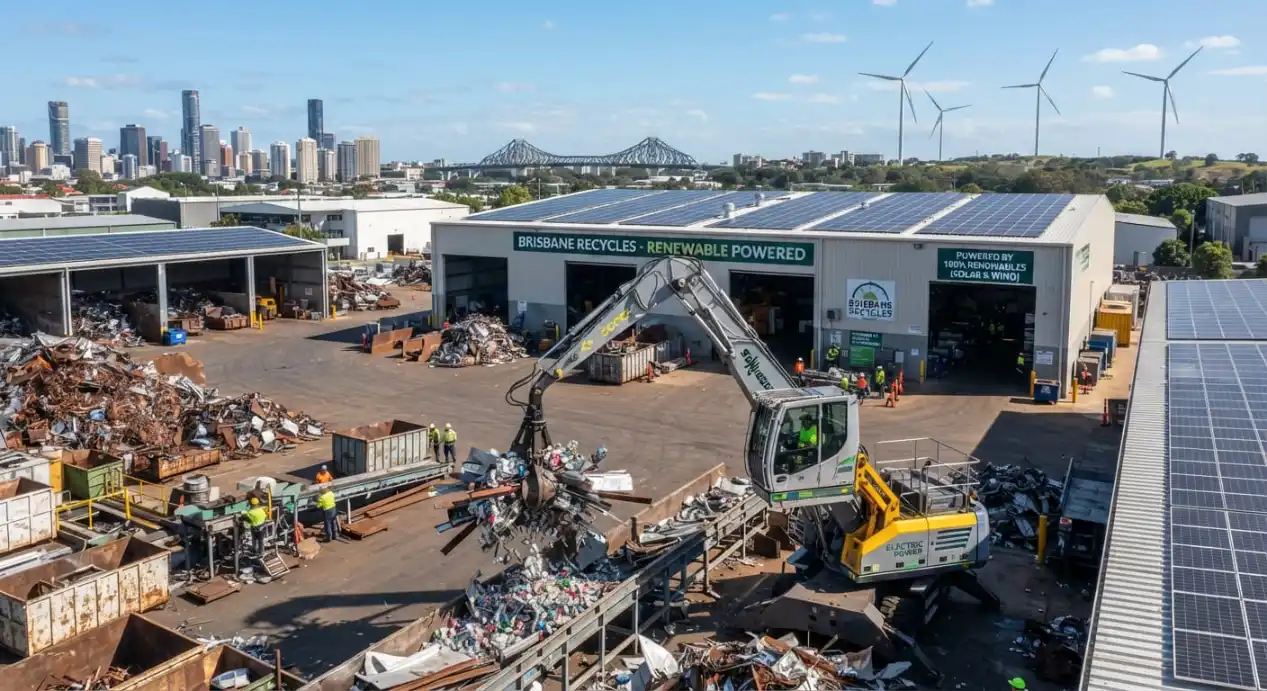
The coming of First-Generation Solar Infrastructure
Ten or 20 years ago, Brisbane householders and businesses jumped on the first boom of the solar gold rush. Early generation photovoltaic (PV) systems were installed on thousands of homes throughout the Sunshine State. Those systems today are at the end of their service lives. At the same time, cutting-edge technology is encouraging commercial buildings to upgrade to modern, energy efficient panels. The scale of this decommissioning cycle presents a pressing logistical problem; the recycling of solar panels. A typical solar panel is a goldmine of valuable industrial materials encased in a complicated combination of glass and polymer. These materials must be handled safely, in order to separate the different components:
- High-Purity Extruded Aluminium: Solar module frames are made of high-quality aluminium, which is a popular material for clean, energy-efficient secondary smelting. Our aluminium scrap pickup handles frames in bulk.
- Premium Copper Wiring: Industrial-strength copper wiring links solar arrays to inverters from the electrical grid. Copper is one of the most important and valuable materials to be recycled, which is why copper scrap pickup in Brisbane is in such demand.
- Silicon, silver and tin: Deep in the PV cells are important materials that need to be processed in lines of advanced equipment to extract efficiently.
The city of Brisbane is turning away from landfills and instead of sending these decommissioned systems to the local dumpster, it is sending them to the city's own dedicated industrial metal processors which are part of its clean energy transition. Upgrading a home system instead? Read how to recycle old rooftop solar panels.
Heavy Metal Drivers: Wind and Grid Infrastructure
The number of scrap metal tons goes into overdrive when considering utility scale renewable installations throughout Queensland but most people would probably only be aware of residential solar. As wind farms grow in the regional hinterland, and Energex strengthens substations near the city, HUGE amounts of industrial “scrap” are created.
The logistics of recycling wind turbine components that have been decommissioned or upgraded is a completely new ball game. Heavy transport, special cutting equipment, large processing areas are needed for turbine nacelles, large-scale commercial transformers and heavy-duty structural steel pylons. Every time a component of the sub-station transformer or wind turbine is retired, it gives rise to tons of high-grade structural steel and massive, high-purity copper busbars. It is essential to maintain these industrial giants in the local supply chain in 2026. This lessens the need for carbon-intensive virgin mining and makes our green grid's infrastructure foundation on recycled low-emission metals. Planning a large decommissioning job? Start with our guide to bulk scrap metal removal on industrial sites.
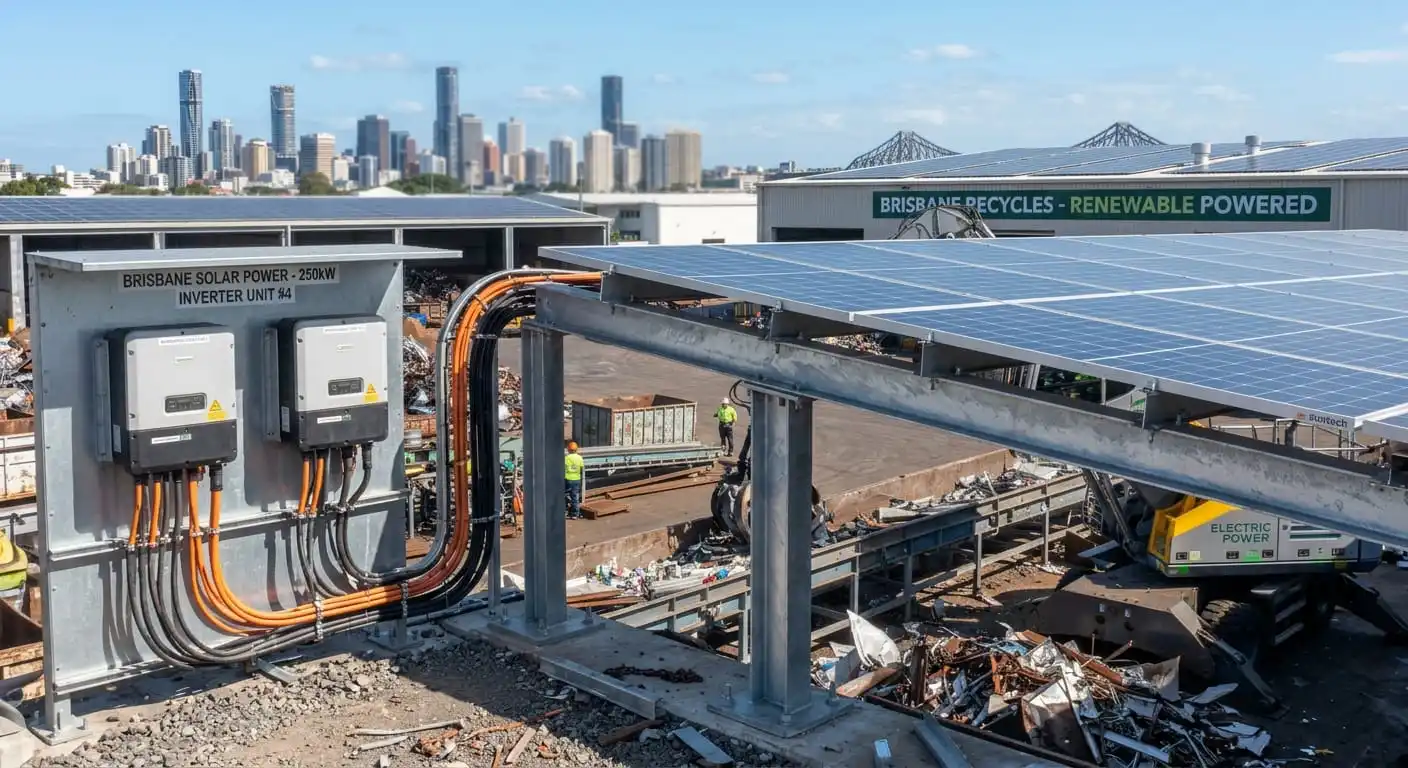
Recycling e-waste and commercial batteries: Closing the Loop
Energy storage is an integral part of the shift to renewable energy. Battery technology has taken over our lives, from wall batteries in homes in the suburbs to large battery energy storage systems (BESS) supplying power to industrial estates. As the first commercially available storage systems come to the end of their life, service, upgrade or decommission, they bring in highly complex electronic waste (e-waste) and structural metals into the stream of waste. The steel enclosures, protective copper shielding and sophisticated aluminium cooling plates to control battery temperatures need to be carefully processed.
Advanced local recyclers are making their facilities ready to safely manage these complicated assemblies. Separating the valuable metals, the structural components of the cell, from the sensitive chemical cells means nothing is wasted and hazardous elements are handled carefully and in compliance. For smaller loads, see our appliance and e-waste recycling service and our guide to recycling lead-acid batteries and e-waste safely.
Local processing is Essential to Brisbane's Future
In the renewable age the development of scrap metal recycling isn't just about sorting copper pipes from old plumbing improvements. It's a key part of Queensland's circular economy. Making these higher-tech clean-energy materials here in the community has unique advantages:
- Lower carbon: Local manufacturing of aluminium and copper reduces carbon emissions by as much as 90% when using recycled material instead of smelting virgin ore from the ground, drastically reducing the carbon footprint of local manufacturing.
- Securing Domestic Supply Chains: Local supply of high value metals means local manufacturers have access to the raw materials they need, helping to shield the local economy from fluctuations in global shipping. See where your scrap metal goes in South East Queensland.
- Specialized Local Jobs: Advanced sorting, stripping and processing of solar and grid infrastructure creates long-term technical jobs right here in Brisbane.
Connect with Brisbane's Circular Economy Leaders
With the rise of green energy, the opportunity is there to rethink what waste means. It is the responsibility of the whole industry to recycle old assets responsibly as they are being replaced by the next generation of higher efficiency technology.
Whether you're an electrician working on upgrading commercial solar arrays, a project manager involved in decommissioning grid infrastructure, or a business optimizing your industrial waste management, an accredited specialist is essential. Rely on Brisbane Metal Recycler for clear, compliant and more efficient recycling services, which are helping to put Queensland on a sustainable zero waste path. Steel pylons and structural sections go through our steel and iron scrap pickup. Warehouse and site managers can also read how to handle industrial metal scrap in Brisbane.